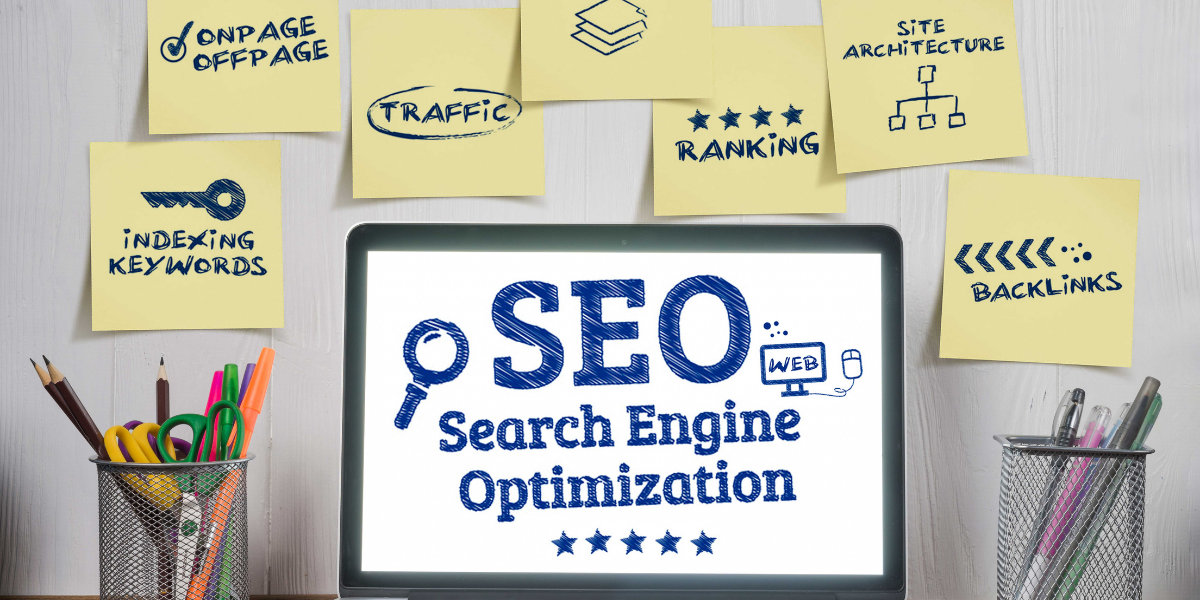
Google SEO Core Updates – August 2026
Absolutely. Here is a detailed, beginner-friendly overview of SEO (Search Engine Optimization):
SEO: Search Engine Optimization
SEO is the process of improving a website so that it appears higher in search-engine results, such as Google, when people search for relevant information, products, or services.
The main goal of SEO is to attract organic (unpaid) traffic from search engines.
1. Why SEO Is Important
SEO can help a business or website:
- Increase organic website traffic
- Improve online visibility
- Reach potential customers
- Generate leads and sales
- Build brand credibility
- Reduce dependence on paid advertising
- Improve the overall user experience
For example, if someone searches “best digital marketing agency in Bangalore”, companies that have optimized their websites for this search may appear on Google’s results page.
2. How Search Engines Work
Search engines generally work through three major processes:
Crawling: Search-engine bots discover webpages and their content.
Indexing: The search engine analyzes and stores information about those webpages in its index.
Ranking: When someone performs a search, the search engine determines which indexed pages are most relevant and useful for that query.
SEO helps search engines understand your content and helps demonstrate that your website provides useful information to users.
3. Major Types of SEO
On-Page SEO
On-page SEO focuses on elements directly within your website.
Important elements include:
- Keyword usage
- Page titles
- Meta descriptions
- Headings (H1, H2, H3)
- URL structure
- Internal linking
- Image optimization
- Content quality
- Search intent
- Readability
For example, instead of a URL such as:
example.com/page123
a descriptive URL might be:
example.com/seo-guide
Off-Page SEO
Off-page SEO involves activities outside your own website that can improve its authority and visibility.
A major component is link building, where other reputable websites link to your content.
Other activities can include:
- Digital PR
- Brand mentions
- Guest contributions
- Relevant business listings
- Content promotion
- Earning links naturally through useful content
The quality and relevance of links matter more than simply obtaining a large number of links.
Technical SEO
Technical SEO focuses on making a website easier for search engines to crawl, understand, and index.
Important areas include:
- Website speed
- Mobile usability
- HTTPS
- XML sitemaps
- Robots.txt
- Canonical URLs
- Structured data
- Crawlability
- Indexability
- Broken links
- Duplicate content
- Core Web Vitals
A technically strong website gives search engines fewer obstacles when discovering and understanding its pages.
4. Keyword Research
Keyword research is the process of identifying what people search for in search engines.
For example, a company selling SEO services might research keywords such as:
- SEO services
- SEO agency
- local SEO services
- SEO consultant
- technical SEO services
- SEO services for small businesses
Good keyword research considers:
- Search intent
- Relevance
- Search volume
- Competition
- Business value
- The user’s stage in the buying journey
Search Intent
Understanding search intent is extremely important.
Common types include:
Informational:
The user wants information.
Example: “What is SEO?”
Navigational:
The user wants to find a particular website or page.
Example: “Google Search Console”
Commercial investigation:
The user is researching before making a purchase.
Example: “best SEO agencies”
Transactional:
The user is ready to take an action or make a purchase.
Example: “buy SEO software”
Creating content that matches the user’s intent can be more effective than simply repeating keywords.
5. SEO Content
High-quality content is an important part of modern SEO.
Good SEO content should:
- Answer the user’s question
- Provide accurate information
- Demonstrate expertise
- Be easy to read
- Address the topic comprehensively
- Use appropriate headings
- Include useful examples
- Be updated when necessary
- Avoid unnecessary keyword stuffing
Instead of writing an article simply to include the keyword “SEO services,” create genuinely useful content that explains what SEO services include, who needs them, how they work, and how to evaluate an SEO provider.
6. Internal Linking
Internal links connect one page of your website to another page on the same website.
For example:
SEO Guide → Keyword Research → Technical SEO → Link Building
Internal linking can help:
- Users discover related content
- Search engines discover pages
- Establish relationships between topics
- Distribute internal authority throughout the website
Use descriptive anchor text where appropriate.
7. Backlinks
A backlink is a link from another website to your website.
For example:
Website A → Website B
Backlinks can act as signals that other websites consider your content useful or authoritative.
However, SEO is not simply about collecting as many links as possible. Relevant, trustworthy links are generally much more valuable than large quantities of low-quality or manipulative links.
8. Local SEO
Local SEO helps businesses appear in searches related to a specific geographic area.
For example:
- “dentist near me”
- “restaurants in Mysuru”
- “digital marketing agency Bangalore”
Important local SEO activities include:
- Maintaining an accurate Google Business Profile
- Keeping business information consistent
- Obtaining legitimate customer reviews
- Creating useful location-specific content
- Building relevant local citations
- Earning relevant local links
For businesses serving a specific area, local SEO can be particularly valuable.
9. Measuring SEO Performance
SEO should be measured using meaningful metrics rather than rankings alone.
Common metrics include:
- Organic clicks
- Organic impressions
- Search visibility
- Keyword rankings
- Organic conversions
- Leads
- Revenue
- Click-through rate (CTR)
- Engagement metrics
- Indexed pages
Useful tools include Google Search Console, Google Analytics, and various third-party SEO platforms.
10. Common SEO Mistakes
Avoid:
- Keyword stuffing
- Buying spammy backlinks
- Publishing low-quality AI-generated content without review
- Creating pages solely for search engines
- Copying competitors’ content
- Ignoring mobile users
- Neglecting technical SEO
- Using misleading titles
- Creating duplicate pages unnecessarily
- Focusing only on keyword rankings instead of business results
11. A Basic SEO Strategy
A practical SEO process can look like this:
Step 1: Identify your target audience.
Step 2: Research relevant keywords and search intent.
Step 3: Analyze competitors and existing search results.
Step 4: Improve website structure and technical SEO.
Step 5: Create genuinely useful content.
Step 6: Optimize titles, headings, URLs, images, and internal links.
Step 7: Promote content and earn relevant backlinks.
Step 8: Monitor search performance.
Step 9: Update and improve underperforming content.
Step 10: Measure organic leads, sales, and other business outcomes.
In Simple Terms
SEO = helping search engines understand your website + providing valuable content for users + building trust and authority + creating a technically accessible website.
SEO is usually a long-term strategy, rather than a method for obtaining instant traffic. Results can vary significantly depending on the website, industry, competition, content quality, technical condition, and search market.